

About Us
CULTURAL SYMPOSIUM
The Brazilian Cultural Symposium in Canada is the first nationwide event focused on the Brazilian and Canadian communities who wish to learn more about Brazil. The symposium brings together Brazilians who have been making a significant impact artistically, socially and politically to discuss relevant themes that will help strengthen the Brazilian communities in Canada. The event revolves around the following thematic axes:
- Tarsila do Amaral – Visual Arts
- Juscelino Kubitschek – Political Sciences
- Carolina Maria de Jesus – Literature
- Paulo Freire – Teaching and Pedagogy
- Luiz Gonzaga – Music
The Cultural Symposium is free and was streamed live on September 14, from 9 a.m. to 6:30 p.m. (GMT -4).
OPENING SESSION - 9 AM TO 9:45 AM
Welcome
Know the House of Brazilian Culture in Canada, our mission, and the volunteers that keep our project alive. We will also share some basic housekeeping details about the event.
Language: English
TARSILA DO AMARAL - 9:50 AM TO 10:50 AM
Your Place Is Here: When Nature and Illustration Reconnect Us
Since moving from Brazil to Canada, Nátali has been reflecting on what one carries when one leaves a place, especially on childhood memories. Often, these memories are tied to nature, outdoor playing, and the emotional landscapes that shape our imagination. In this interactive presentation, Nátali will share a bit about her journey as an author and illustrator, as well as the research she conducted during her Master’s in Illustration, which was published in the international journal Bookbird. Join Nátali for a conversation about how art can serve as a bridge between times, places, and cultures, especially for those living away from their country of origin.
Language: English

Nátali de Mello is a Brazilian-Canadian author and illustrator living in Ottawa. Inspired by Brazilian landscapes and creatures, she explores themes of identity, nature, and belonging through a mix of painting, collage, and digital drawing. She has a background in architecture and visual arts and holds an MA in Illustration from Falmouth University. When she’s not drawing, she’s out in nature biking with her husband and twins, or enjoying a nice slice of pizza!
JUSCELINO KUBITSCHEK - 11 AM TO 12 PM
Brazil, a forever-emerging country?
According to a quote attributed to the French politician and journalist Georges Clemenceau, Brazil is a country of the future, and it always will be. But what qualifies Brazil as an emerging country, and what is still missing for it to reach that long-dreamed-of future? How does the colonialist narrative shape the Brazilian people’s perception of themselves? In this presentation, the student Marie-Ève and her professor Marcello Cappucci discuss key aspects of Brazil’s current situation not only in national politics but also within the broader international political context we live in today.
Language: English
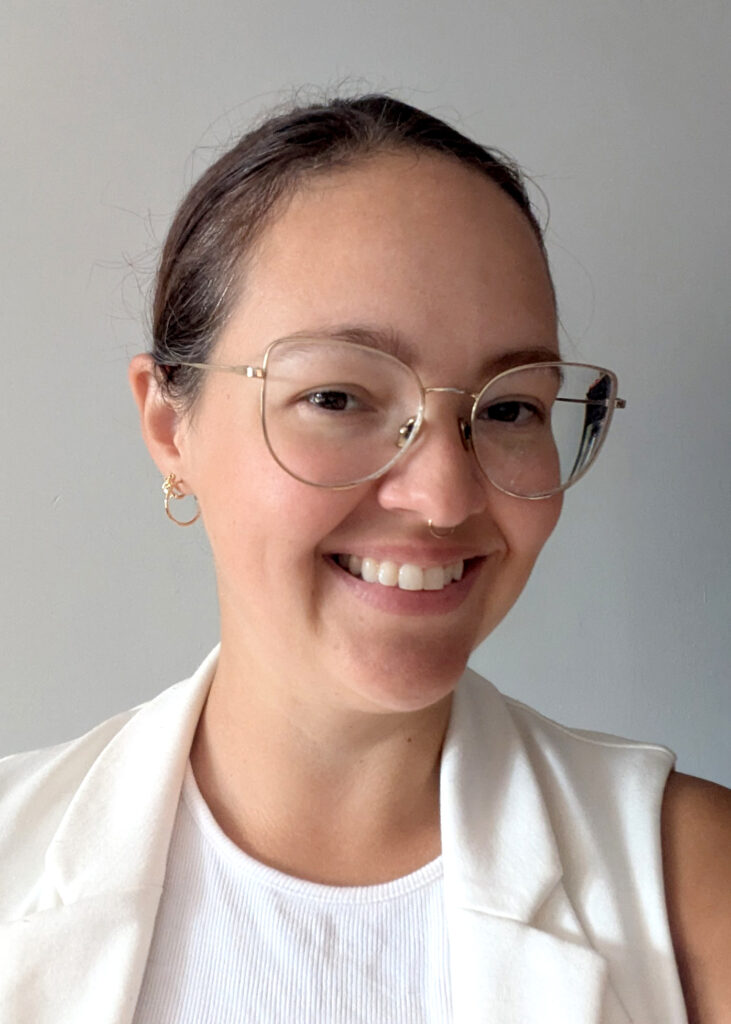
Marie-Ève studies International Relations at Laval’s University since 2022, juggling academic rigor with traveling adventures. She is especially interested in national identities and the multicultural policies of Canada. She developed a passion for the Portuguese language early in her studies and had the opportunity to challenge her beliefs about Brazil during a five-month stay at Pontifical Catholic University of Rio de Janeiro (PUC-Rio). Marie-Ève strives to blend political insights, cultural analysis, and academic ambition, all with a side of bossa nova.
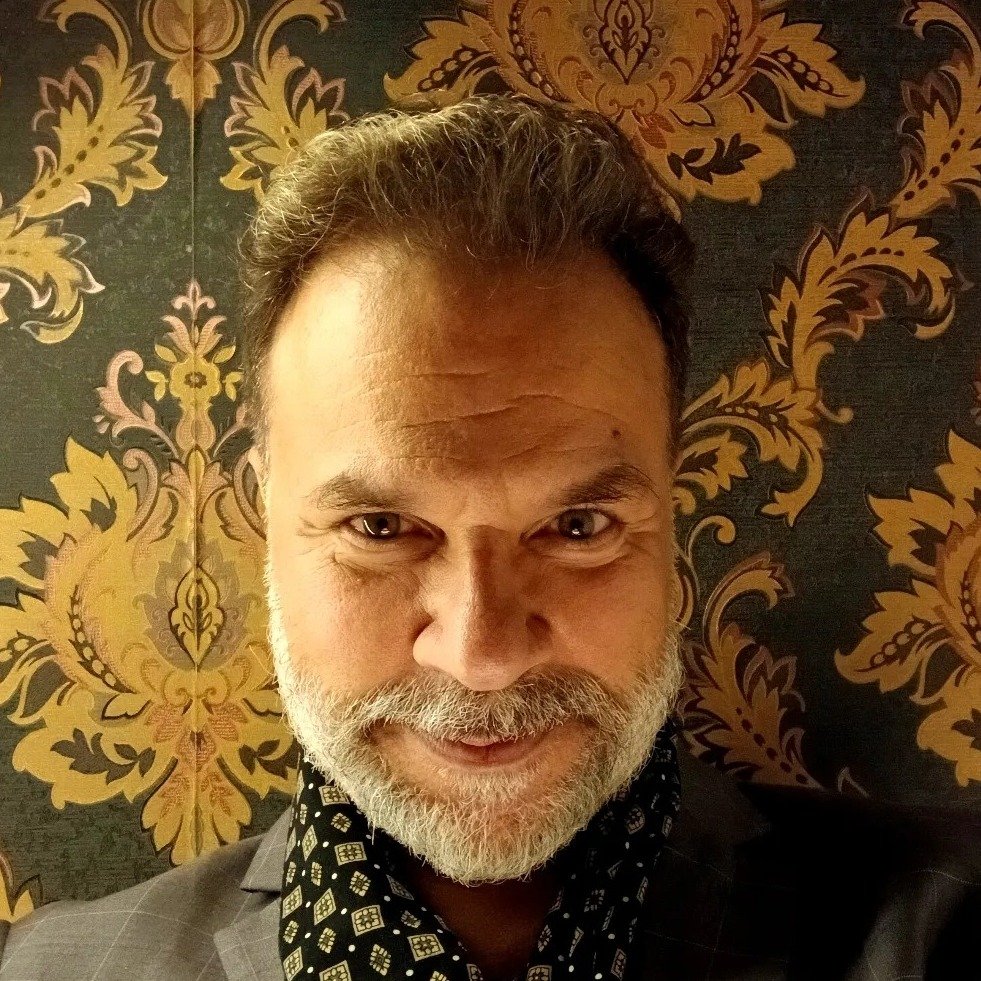
Marcello holds a Law degree from the Fluminense Federal University (UFF, 1994) and a degree in Economics from the State University of Rio de Janeiro (UERJ, 1993). He also earned a master’s degree in international relations from the Pontifical Catholic University of Rio de Janeiro (PUC-Rio) in 2000. At PUC-Rio’s Institute of International Relations, Marcelo teaches courses such as Financial Globalization, Art and Literature in International Relations, Architecture and Power, and Monument, Heritage, and Memory. Marcello also teaches in the University of Arkansas Study Abroad Program and at the Council on International Educational Exchange in Rio de Janeiro. He has previous experience as both coordinator and instructor in undergraduate and graduate programs at Estácio de Sá University. Over the course of his extensive career, his work has focused primarily on international relations, regional integration, international political economy, Brazilian foreign policy, international negotiation, and the intersection of culture and power.
CAROLINA MARIA DE JESUS - 1:40 PM TO 2:40 PM
Between 2 worlds: writing about the immigrant experience
Luciana will share her journey as a Brazilian writer living in Canada, creating stories that carry memory, affection, and cultural identity across borders. Drawing from both her children’s books (“Meus Avós que Moram Longe” and “Lá no Brasil”) and her adult writing, she will explore how literature helps the immigrant experience by preserving roots, building bridges between generations, and shaping belonging in unfamiliar places. Through personal reflections and literary examples, Luciana will discuss the challenges of bilingual publishing, the differences between writing for adults and children, and the role of Brazilian literature in navigating life between two worlds. She will end with a reflection on how stories help immigrant families write themselves back into belonging while she reads her piece called “Faça as suas malas”, which is part of a book of essays published in 2024.
Language: English

Luciana is a Brazilian-Canadian writer who lives, works, and enjoys being outdoors on the traditional territories of the Katzie (q̓ic̓əy̓) and Kwantlen (qʼʷa:n̓ƛʼən̓) First Nations. She holds a B.A. in Letters and a B.Ed. in Pedagogy (Brazil) and has written several pedagogical books (yes, that means she truly enjoys grammar). She’s also the author of In Brazil (2022) and My Faraway Grandparents (2024), which have been sold in more than 40 countries. When not reading, writing, or daydreaming about sunshine, she enjoys the great outdoors – preferably with snacks.
PAULO FREIRE - 2:50 PM TO 3:50 PM
Advocates for the Portuguese Language in Canada
Building on the concepts of pride and profit developed by Pedro Garcez, Cecilia Dias, and Giana Bess in a study conducted with Brazilian immigrants in Toronto, Mitsue discusses the importance of Portuguese language education in Canada and highlights some of the most appealing teaching modalities for both Brazilian and Canadian communities. Drawing also on a research by Evandro Rodrigues about the challenges of teaching Portuguese out of the classroom, Mitsue offers tools to help the audience understand how Brazilian Portuguese speakers can act as advocates for linguistic and cultural preservation of their country.
Language: English

With a B.A. in Language and Literature (UFF, Brazil) and a postgraduate degree in Teaching Portuguese as a Foreign Language (PUC-Rio, Brazil), Mitsue has dedicated much of her professional life to translating and proofreading content in various fields. Currently working as a Recruitment Manager at a multinational translation company, she has been able to hone her skills in team management, process structuring and working in multilingual contexts. A Brazilian immigrant, Mitsue moved to Canada in 2021, and since then, she has come up with a multitude of ideas on how to promote Brazilian culture on Canadian soil.
LUIZ GONZAGA - 4 PM TO 4:50 PM
Music to my Ears – and Beyond
Erivan shares insights from his doctoral research at McGill University to explore how d/Deaf individuals experience, interpret, and create music through multimodal means. The research challenges hearing-centered conceptions of musicality and proposes new ways of understanding music as a multisensory and inclusive practice. This has deeply influenced Erivan’s artistic process, prompting him to rethink how music can be created and communicated beyond the auditory realm. He will also discuss how this inquiry has shaped his compositional choices, drawing from his roots in Brazilian musical traditions, where rhythm, embodiment, and collectivity are essential. Finally, Erivan aims to demonstrate how inclusive musical practices can transform not only how one creates but also how one imagines music itself.
Language: English
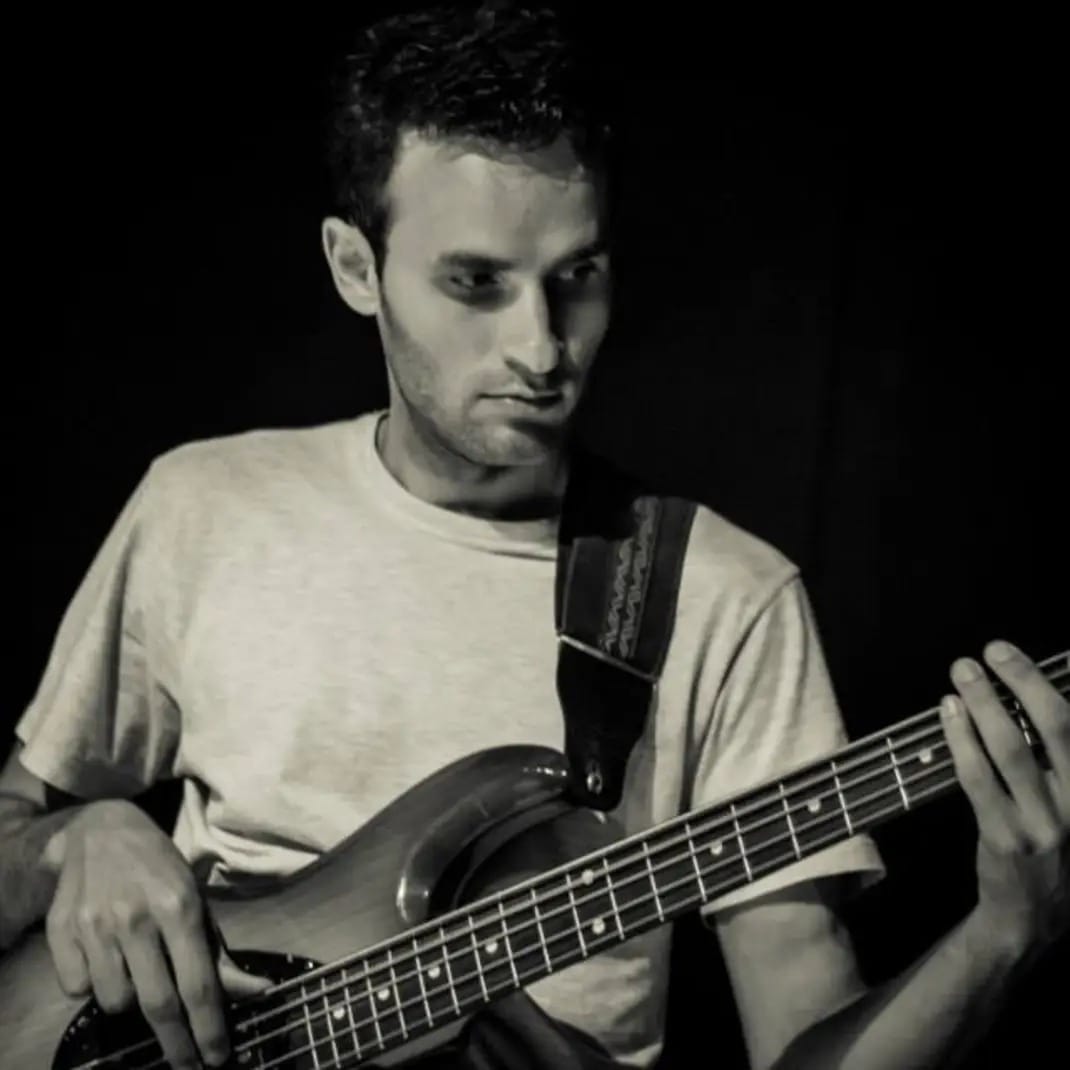
Ph.D. student at Schulich School of Music of McGill University, Erivan holds a master’s degree in Music and a bachelor’s degree in Jazz Performance. Most of his professional career has been dedicated to music performance, education and research, with Erivan having performed as a professional musician in Brazil, Mexico, and Canada. These experiences, along with his academic background, allowed him to investigate issues related to musical performance, composition, and education. Erivan is particularly interested in new ways of thinking about inclusion in music, exploring new perspectives for the teaching and learning process, promotion of interactive music, and development of inclusive technology in music performance.
CLOSING KEYNOTE SESSION - 5 PM TO 6:30 PM
Ending on a High Note
Fernanda Luz will bring us a surprise theme to end our Cultural Symposium on a high note.
Language: French
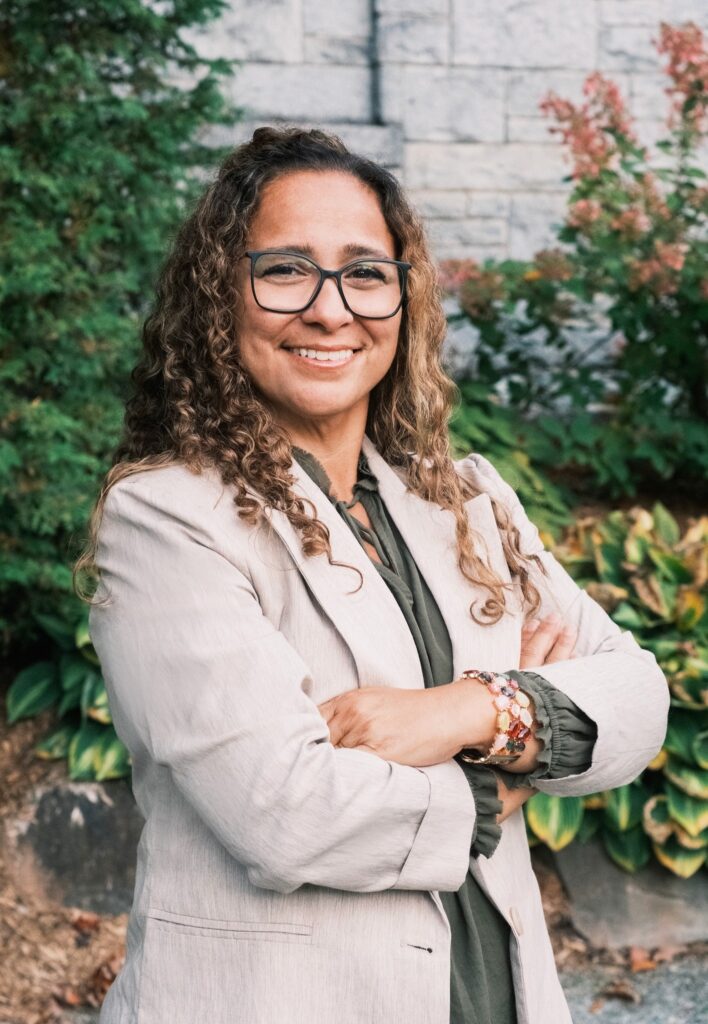
Fernanda Luz
Born in Rio de Janeiro, Fernanda Luz worked as a physiotherapist for nine years before moving to Canada in 2009 with her husband and their two young children, aged 3 and 7. She returned to school, became a nurse, and later took on a managerial role. In 2021, after 21 years dedicated to public healthcare (9 in Brazil and 12 in Canada) and to caring for the elderly, she was elected city councillor in Sherbrooke, where she currently lives. Since 2023, Fernanda has also been serving as deputy mayor. She actively champions causes such as land-use planning as a driver of health and well-being, social economy as a means of building collective wealth, community development policies and programs, and social inclusion.
Made with ❤ by Horizon Tecnologias. All rights reserved.